Case No. #1505
The Rising Light Points over Lake Suwa
Summary
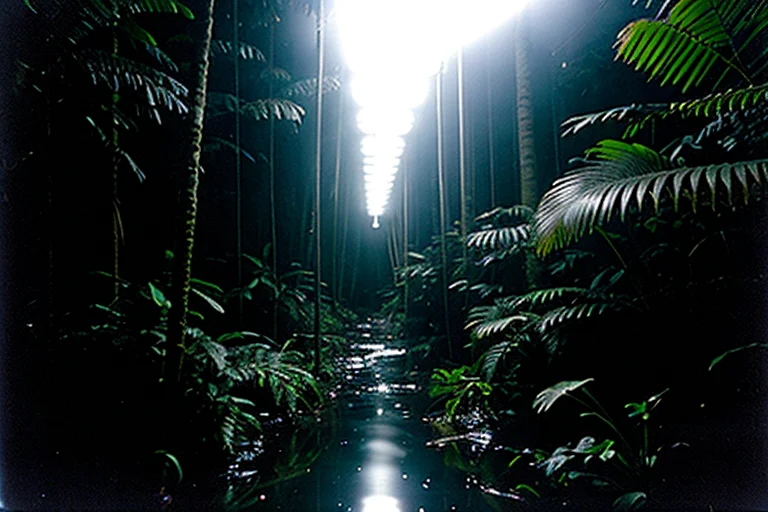
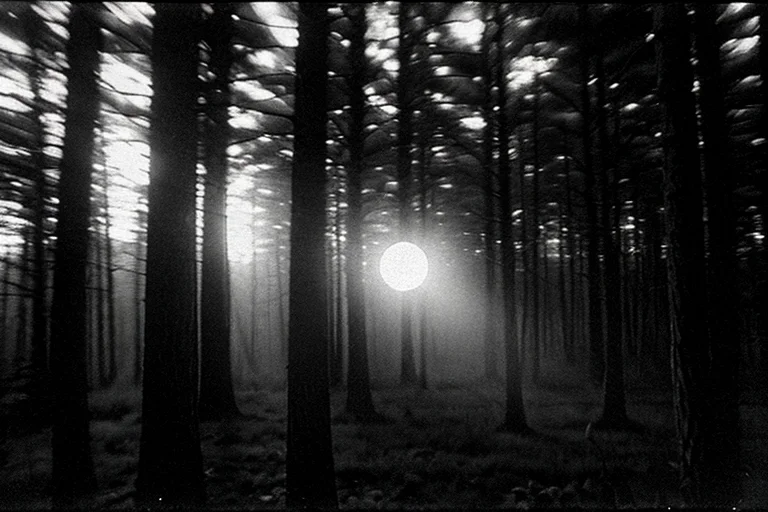
On three nights in November 2022, observers at Lake Suwa in Nagano — elevation 759 meters — reported clusters of small luminous points rising from near the lake surface horizon in multiple directions simultaneously, moving upward and fanning out before disappearing. The motion was opposite to that of falling meteors. The largest event on November 10 involved an estimated 15–20 points from three simultaneous directions. Astronomical consultation suggested a partial explanation (the Earth's antisolar point meteor effect) but found the three-simultaneous-direction description difficult to account for with that model alone.
Details
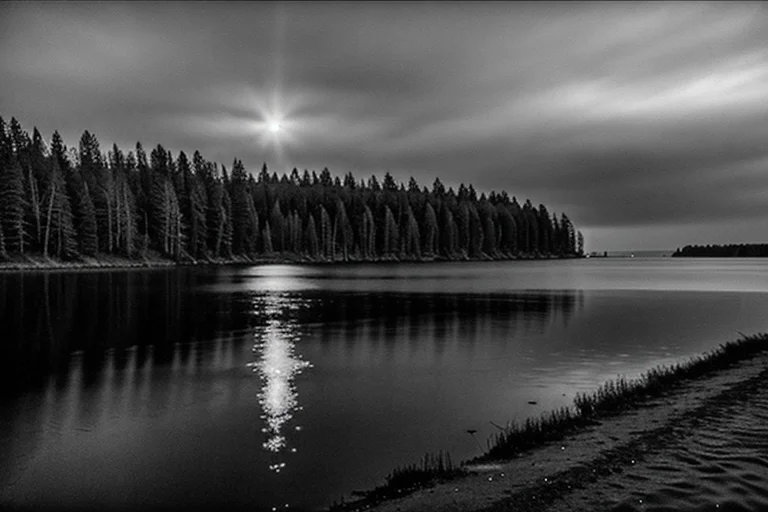
Lake Suwa in central Nagano Prefecture, circumference approximately 15 kilometers, freezes in winter and is known for the *Omiwatari* phenomenon — ice ridges formed by the expansion of the frozen surface, regarded as sacred. At 759 meters elevation, skies are clear and suitable for astronomical observation.
In the late hours of November 7, 2022, a high school science teacher in his forties conducting stargazing at the lake saw several small light points clustered together rising from the northeast horizon, spreading outward, and disappearing within seconds to tens of seconds. Unlike meteors, the motion was upward from the horizon rather than downward. Speed was slower than that of typical meteors. He captured video; the points were too small for conclusive analysis.
Similar reports followed on November 8 (five or six lights rising in unison) and November 10 (an estimated 15–20 points rising from three directions simultaneously). In all cases the lights appeared to originate from low altitude near the lake's surface horizon.
An astronomical researcher consulted on the reports noted that November is close to the Leonid meteor shower peak, and that the Earth's antisolar point (antihelion) can cause low-altitude meteors to appear to rise from the horizon. However, simultaneous rising from three separate directions is not predicted by this model and would require an independent explanation.
Suwa Grand Shrine's head priest stated: "Strange events in Suwa's sky have been recorded since antiquity. In years when *Omiwatari* occurs, unusual phenomena are said to be more frequent." The Omiwatari was observed in January 2023 — the autumn of 2022 being the preceding season.
Timeline
- Nov 7, 2022 — late nightStargazer observes clusters of light points rising from the northeast horizon, moving upward — opposite to meteor direction.
- Nov 8, 2022Report of "five or six lights rising in unison."
- Nov 10, 2022"15–20 points rising from three simultaneous directions" — the largest reported event.
- November 2022 (investigation)Astronomical researcher offers antisolar-point meteor hypothesis; finds it insufficient for the three-direction simultaneous case.
- January 2023Omiwatari observed on Lake Suwa (local tradition notes correlation with prior-season sky events).
- PresentRepeat observation plan for November 2023 prepared. Cross-referencing with astronomical data ongoing.
Witness Testimony
High school teacher (male, 40s)"Meteors fall from above downward. These rose from the horizon upward. The speed was slower. Several clustered together. Ten years of stargazing and I've never seen movement like that."
Local resident (female, 60s)"Lights rose from three directions at once. Not fireworks — no sound. Since childhood I've heard that strange things appear in Suwa's sky. I took this as another instance of that."
Suwa Grand Shrine head priest (age undisclosed)"Unusual events in Suwa's sky have been recorded since antiquity. Before and after Omiwatari years, unusual phenomena are said to increase. Omiwatari came this year. Whether they are related — only the gods know."
Kyu's Analysis
Light points rising from the horizon. Three simultaneous directions. The year before Omiwatari. In Suwa, sky and lake move together.